
- 16
- 0
Exploring the psychological effects of gambling on decision-making processes
Exploring the psychological effects of gambling on decision-making processes
The Cognitive Biases in Gambling
The world of gambling is often characterized by cognitive biases that significantly influence decision-making processes. One common bias is the illusion of control, where players believe they can affect the outcome of a game through skill or strategy, even in games of chance. This fallacy can lead to overconfidence, encouraging players to gamble more than they can afford. For instance, a player who consistently wins may assume that they have a unique ability, prompting them to take greater risks. At winwin casino, players might find themselves falling prey to such misconceptions.
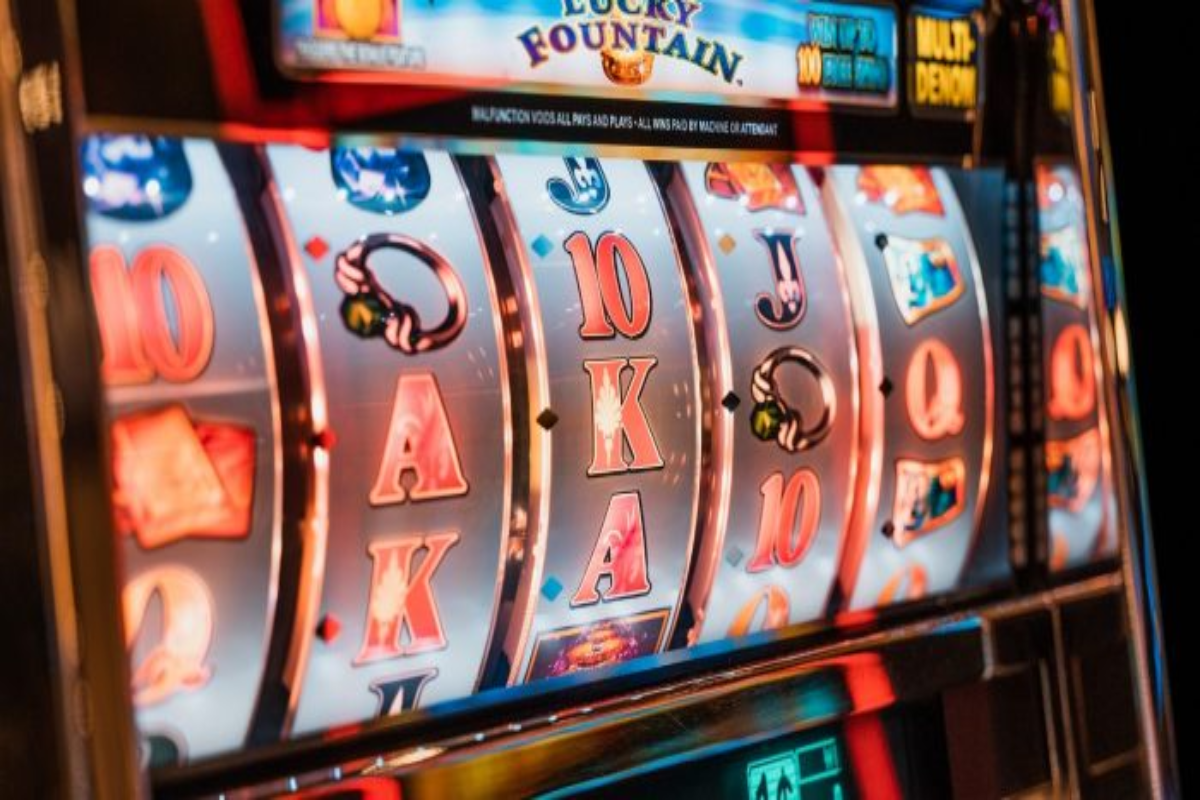
Another prevalent bias is confirmation bias, where individuals tend to search for and interpret information in a way that confirms their pre-existing beliefs. In gambling, this may manifest as a player focusing only on their winning streaks while ignoring losses. Such selective memory can foster a false sense of security, often resulting in repeated bets despite past failures. Ultimately, these cognitive biases can distort rational thinking and lead to poor decision-making.
Moreover, the framing effect plays a crucial role in gambling decisions. The way a gambling scenario is presented can heavily influence outcomes. For example, a player might be more inclined to play a game if it is framed as having a “chance to win” rather than “risking a loss.” This psychological manipulation can lead to impulsive behavior, making individuals more susceptible to making uncalculated decisions that could result in significant losses.
Emotional Factors and Decision-Making
Emotions play a pivotal role in gambling behavior, affecting the decision-making process profoundly. The excitement and thrill associated with gambling can lead to emotional decision-making, often overriding logical reasoning. When players experience a win, the rush of excitement can result in increased betting, sometimes without a coherent strategy. This emotional high can create a cycle where individuals chase their initial wins, often leading to larger losses.
Conversely, negative emotions, such as frustration or desperation following losses, can equally impair judgment. Players may increase their stakes in an attempt to recoup losses, a behavior known as chasing losses. This pattern of decision-making often culminates in a downward spiral, where the initial thrill gives way to anxiety and regret, complicating future betting choices. Emotional states can thus significantly skew rational decision-making, making it harder for players to assess risks accurately.
Addititionally, the role of anticipation cannot be overlooked. The suspense inherent in waiting for a game’s outcome can amplify emotional responses. Players often experience heightened anxiety or excitement, which can lead them to make hasty decisions in the heat of the moment. The interplay of anticipation and emotion often clouds judgment, resulting in decisions driven more by immediate feelings than careful analysis of probabilities and outcomes.
The Role of Neurobiology in Gambling Decisions
Neurobiological factors also contribute to how individuals make decisions while gambling. Research shows that gambling activates the brain’s reward system, which releases dopamine, a neurotransmitter associated with pleasure and reinforcement. This biochemical response reinforces behaviors that lead to wins, creating a feedback loop that encourages further gambling. The allure of potential rewards can overshadow the rational assessment of risks, leading to impulsive betting decisions.
Furthermore, the concept of risk-taking is closely tied to neurobiological processes. Studies suggest that individuals who engage in gambling may have different brain structures and functions compared to non-gamblers. Variations in the prefrontal cortex, responsible for decision-making and impulse control, can result in a decreased ability to evaluate risks appropriately. This neurological predisposition may enhance susceptibility to compulsive gambling behaviors, complicating decision-making processes.
Additionally, the context in which gambling occurs can activate different emotional and cognitive responses based on environmental stimuli. For example, brightly lit casinos and the presence of other players can create an environment that heightens excitement, further influencing decision-making. The association of positive emotions with specific settings or social situations can reinforce gambling behavior, complicating the relationship between decision-making processes and the neurobiological factors at play.
Impacts of Social Influences on Gambling Behavior
Social influences play a significant role in gambling decision-making, shaping individuals’ perceptions and behaviors in various ways. For instance, peer pressure can drive individuals to participate in gambling activities, even when they are uncertain or reluctant. The desire to fit in or impress friends can result in reckless decision-making, as individuals prioritize social acceptance over rational thought. This phenomenon is especially prevalent in social gambling settings, where the collective energy can diminish personal risk assessment.
Moreover, the normalization of gambling in certain social circles can lead to desensitization toward its risks. As friends or family members engage in gambling, it may appear more acceptable, and individuals might underestimate the potential consequences. This can lead to a false perception that gambling is a harmless activity, which may ultimately influence decision-making processes negatively. The impact of community and social norms cannot be underestimated, as they significantly shape individuals’ attitudes and behaviors toward gambling.
Additionally, the role of social media in promoting gambling activities cannot be overlooked. Advertisements and influencer endorsements can glamorize gambling experiences, portraying them as thrilling and rewarding. This representation can distort individuals’ perceptions of gambling, making them more likely to participate without fully considering the risks involved. The intersection of social influences and gambling decision-making emphasizes the complexity of human behavior in this domain.

Understanding Responsible Gambling and Resources
Understanding the psychological effects of gambling is crucial for promoting responsible gambling practices. Recognizing the cognitive biases, emotional factors, and social influences at play can empower individuals to make informed decisions. Various resources, such as counseling services and educational programs, are designed to help individuals understand their behaviors and promote healthy gambling habits. These resources aim to raise awareness about the potential psychological impacts of gambling and provide strategies for managing risks effectively.
Websites that focus on responsible gambling often offer tools for self-assessment, helping individuals to evaluate their gambling habits critically. Additionally, these platforms provide access to support groups, where individuals can share experiences and find community support. By fostering an environment of understanding and education, these resources can mitigate the adverse psychological effects of gambling, promoting a healthier approach to decision-making in gambling contexts.
WinWin Casino, for instance, not only offers an exciting gaming experience but also emphasizes the importance of responsible gambling. Their platform includes features aimed at helping players stay within their limits, promoting a secure and responsible gaming environment. By prioritizing player safety and encouraging self-awareness, WinWin Casino seeks to enhance the overall gaming experience while minimizing the negative psychological effects associated with gambling.
LEAVE A COMMENT
LATEST POSTS
MOST VIEWED
- Play Roulette Online Real Money Canada
- 4221 views
- Best Scratch Cards Online Free Spins Uk
- 2519 views
TEXT WIDGET
© Copyright 2023 Tunisia Marine Services by AGS Group
 English
  Français
  Italiano